Mountain Living
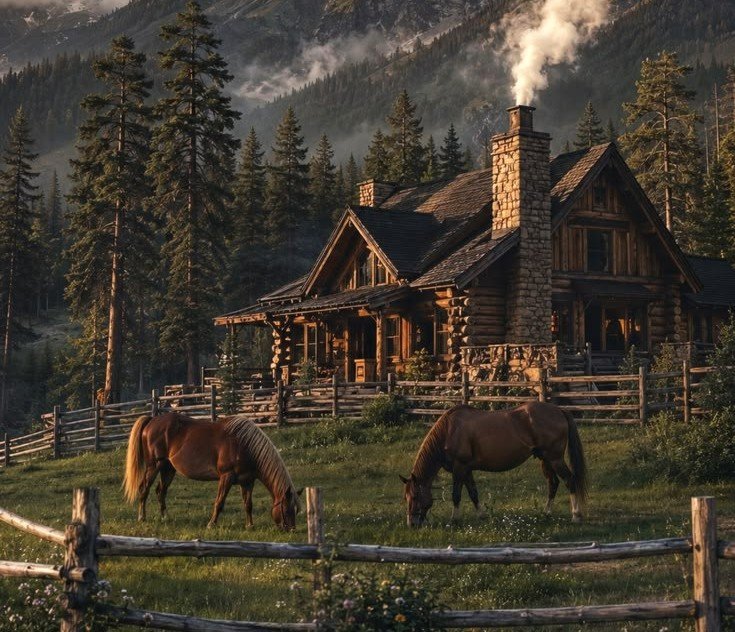
Mountain living is a way of life shaped by the land.
High above the noise and pace of modern cities, mountain communities have developed traditions built around simplicity, resilience, resourcefulness, and a deep connection with nature. Life in the mountains often means working with the seasons, growing what you can, making things by hand, and understanding that the land is not simply a place to live—it is part of your identity.
Mornings begin with cool air, birdsong, mist moving across the hills, and sunlight breaking through the trees. Food may come from the garden, water from a spring, and much of what surrounds you is produced, repaired, built, or preserved locally.
For generations, mountain families have depended on the land for food, materials, income, and shelter.
Gardens, fruit trees, livestock, coffee farms, cacao, herbs, timber, and other crops become part of an interconnected way of life. Farming isn't simply an occupation—it can become the foundation of the household.
The mountain teaches you to pay attention to:
The changing seasons
Rainfall and water
Soil and elevation
Sunlight and shade
Local plants and wildlife
Traditional farming methods
Food preservation
Building and repairing by hand
The Craft of Mountain Living
There is a particular beauty in things made slowly.
A wooden structure built by hand.
Coffee harvested from a hillside.
Cacao transformed into chocolate.
Bread baked in an old oven.
Vegetables harvested from the garden.
A meal prepared from ingredients grown nearby.
Mountain living doesn't necessarily mean abandoning modern technology.
Solar power, internet connectivity, modern agricultural equipment, efficient water systems, refrigeration, and other technologies can make remote living more practical while allowing traditional knowledge to remain relevant.
It is to take the best of the past and combine it with the best of the present.
High above the noise and pace of modern cities, mountain communities have developed traditions built around simplicity, resilience, resourcefulness, and a deep connection with nature. Life in the mountains often means working with the seasons, growing what you can, making things by hand, and understanding that the land is not simply a place to live—it is part of your identity.
Mornings begin with cool air, birdsong, mist moving across the hills, and sunlight breaking through the trees. Food may come from the garden, water from a spring, and much of what surrounds you is produced, repaired, built, or preserved locally.
For generations, mountain families have depended on the land for food, materials, income, and shelter.
Gardens, fruit trees, livestock, coffee farms, cacao, herbs, timber, and other crops become part of an interconnected way of life. Farming isn't simply an occupation—it can become the foundation of the household.
The mountain teaches you to pay attention to:
The changing seasons
Rainfall and water
Soil and elevation
Sunlight and shade
Local plants and wildlife
Traditional farming methods
Food preservation
Building and repairing by hand
The Craft of Mountain Living
There is a particular beauty in things made slowly.
A wooden structure built by hand.
Coffee harvested from a hillside.
Cacao transformed into chocolate.
Bread baked in an old oven.
Vegetables harvested from the garden.
A meal prepared from ingredients grown nearby.
Mountain living doesn't necessarily mean abandoning modern technology.
Solar power, internet connectivity, modern agricultural equipment, efficient water systems, refrigeration, and other technologies can make remote living more practical while allowing traditional knowledge to remain relevant.
It is to take the best of the past and combine it with the best of the present.